
 English
 Español
 Pусский
 Français
 Deutsch
 日本語
日本語 العربية
 Indonesia
 中文
中文
ABS ASA 3D Printing
ABS and ASA are two widely used engineering-grade thermoplastics in 3D printing, valued for their strength, heat resistance, and suitability for functional parts. Both materials are commonly chosen when a print must do more than look good; they are often selected for items that need durability, moderate flexibility, and resistance to everyday wear. Although they share many characteristics, each has its own advantages depending on the environment and the intended application.ABS, short for Acrylonitrile Butadiene Styrene, is known for its toughness and impact resistance. It has been a popular material in manufacturing for many years and has a long history in injection molding as well as additive manufacturing. In 3D printing, ABS is often used for prototypes, mechanical components, tool housings, enclosures, and parts that may experience repeated stress. One of its main benefits is that it can withstand higher temperatures than many standard desktop printing materials. This makes it a practical choice for applications where heat exposure may be a concern. ABS can also be sanded, drilled, and painted after printing, which makes it attractive for post-processing and finishing.However, ABS does have some challenges. It tends to shrink as it cools, which can lead to warping, cracking, or poor bed adhesion if the printing environment is not controlled. For this reason, it usually performs best with a heated bed and, in many cases, an enclosed printer. Proper temperature management is important for achieving strong and accurate results. Despite these difficulties, many users continue to rely on ABS because of its balance of strength, affordability, and versatility.ASA, or Acrylonitrile Styrene Acrylate, is often considered a weather-resistant alternative to ABS. It offers similar mechanical strength and heat resistance, but with significantly better resistance to ultraviolet light and outdoor exposure. This makes ASA especially suitable for outdoor applications such as automotive parts, signs, protective covers, garden components, and functional items exposed to sunlight and changing weather conditions. Unlike ABS, ASA is much less likely to yellow, become brittle, or degrade when used outside for long periods.From a printing perspective, ASA can be somewhat easier to use outdoors in terms of final performance, but it still requires careful printing conditions. It also benefits from a heated bed and enclosed environment to reduce warping. Like ABS, ASA produces parts that can be smoothed and finished after printing, and it is appreciated for its professional appearance and durable surface.In general, ABS is a strong choice for indoor functional parts, prototyping, and mechanical applications, while ASA is better suited for outdoor use and projects requiring long-term exposure to sunlight. Both materials remain important in 3D printing because they offer a reliable combination of durability, usability, and performance for demanding applications.
ürün
sınıflandırma:
-
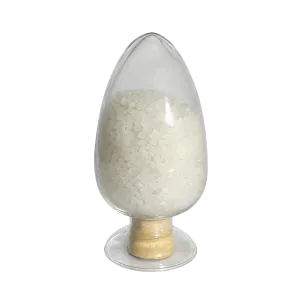
ABS ASA Compound
Sınıflandırmaları: Modified MaterialGörünümler: 10Sayı:Bırakma süresi: 2026-10-09 19:54:37●ASA/ABS alloy compound with excellent weather resistance, resistant to aging and discoloration, for outdoor injection molded parts.
Haber
sınıflandırma:
Arama sonucu yok!
Dava
sınıflandırma:
Arama sonucu yok!
Video
sınıflandırma:
Arama sonucu yok!
İndir
sınıflandırma:
Arama sonucu yok!
İşe Alım
sınıflandırma:
Arama sonucu yok!
Önerilen ürünler
Arama sonucu yok!



 Telefon